Seating chart
How to make a wedding seating chart, step by step
The seating chart is the last big puzzle before the wedding: two families, friends from every stage of your life and a few people who shouldn't sit together. Done in the right order it takes an evening, not a week. Here is the order that works.
By the Seatella team 3 min readUpdated
When to make the wedding seating chart
Most couples send invitations six to eight weeks before the wedding and set the RSVP deadline three to four weeks before. Start the seating chart once most replies are in, and finish it about a week before, when the caterer and the venue usually need the final count.
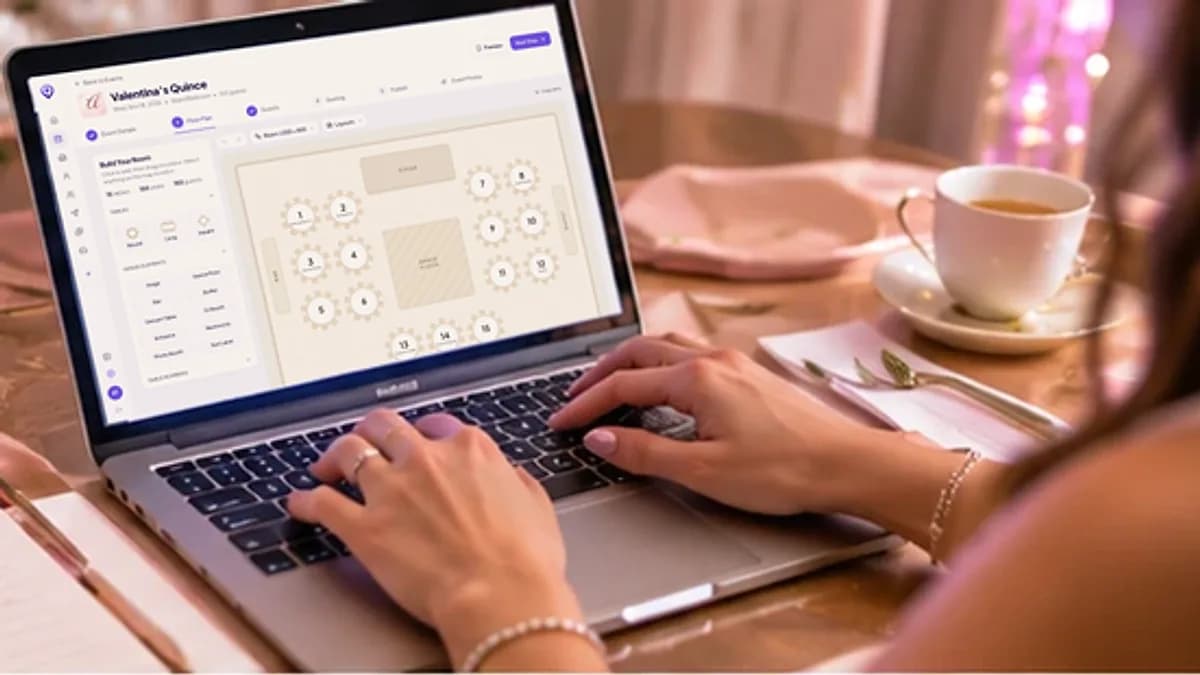
1. Start with the floor plan
Ask the venue for its floor plan or the room size, then place the fixed things first:
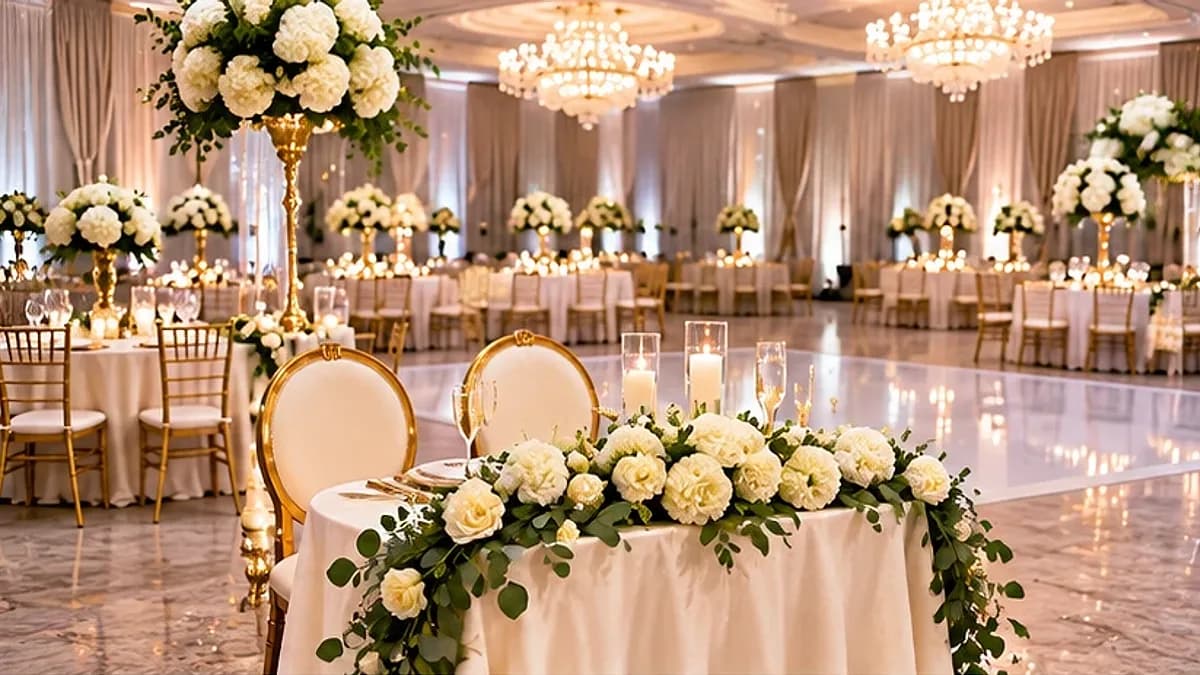
- Your table, the sweetheart table or the head table, facing the room.
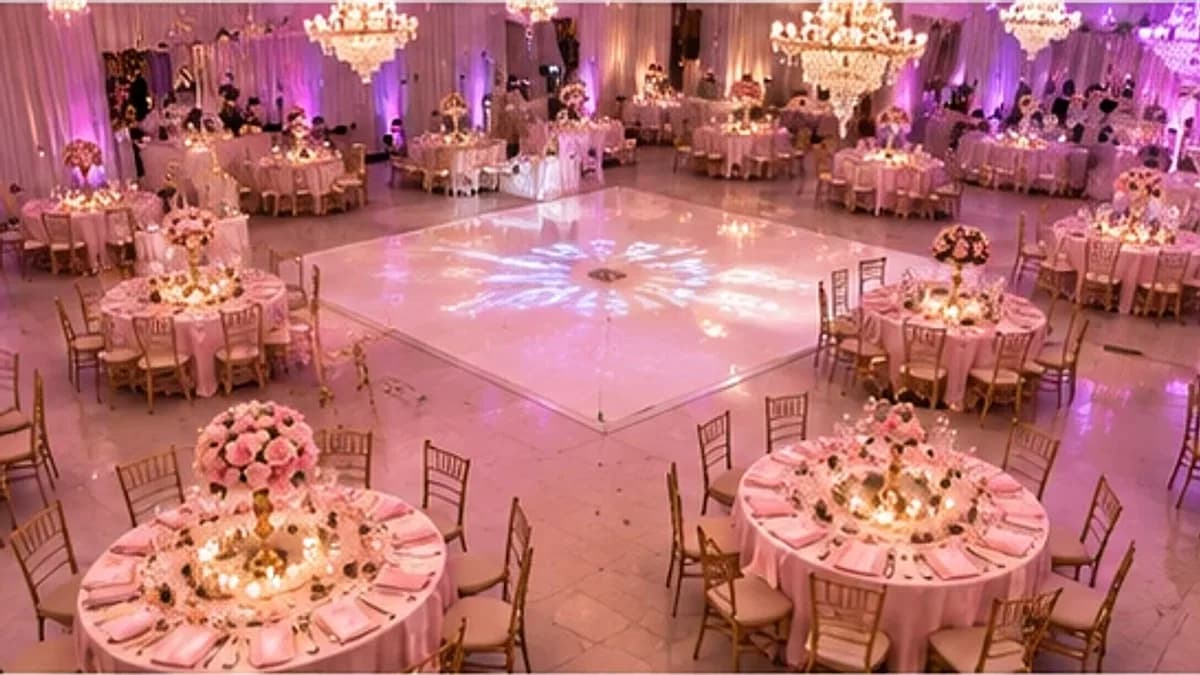
- The dance floor, in front of your table if possible, for the first dance and the toasts.
- The DJ or band, the bar, the cake table and the gift and card table.
- Entrances, the kitchen door and the restrooms, with clear paths to each.
Then fill the room with guest tables. Not sure how many? Use the calculator below or our table calculator.
2. Choose your table: sweetheart, head table or family table
- Sweetheart table: just the two of you. The wedding party sits with their partners at tables nearby, so nobody's date is left alone.
- Long head table: the two of you in the middle, the wedding party on both sides, all facing the room. Classic in photos, but partners of the wedding party sit elsewhere.
- Family table: a long table for you, your parents and grandparents, or both sides of the family. Common at Latino weddings and when parents are paying.


3. Seat both families close to you
The tables nearest your table and the dance floor go to parents, grandparents and siblings, one family on each side. Then work outward in groups, not one name at a time:
- Group guests by circle: her family, his family, college friends, work friends, neighbors.
- Seat the big groups first; couples and singles fill gaps later.
- Keep couples and plus-ones together, always.
- If parents are divorced, give each one their own table with their side of the family, at the same distance from you.
- Keep grandparents and older guests away from the speakers and near a restroom.
- Mix friend groups only when they have something in common. A table of strangers is a long dinner.
4. Count your tables
Set it to your guest count and the venue's tables. The wedding party is counted at its own tables, and your table is added on top.
Table calculator
Change the numbers and see how many tables you need.
72-inch round
14tables in total
- 12 guest tables
- 1 head table
- 1 wedding party table
130 seats for 120 guests
- Room for the tables
- 1,200–1,440 sq ft
- Dance floor
- about 13 × 13 ft
- if about half the guests dance at once
Estimates only. Your venue's seated capacity always wins.
Try it on your real floor plan5. Show guests where to sit
Escort cards on a table, a big seating board, or a QR code sign at the entrance: they all work, but with 150 guests the first two create a crowd at the door. With a QR code, guests scan, type their name and see their table on a map of the room. Seatella does exactly that, with no app and no account for your guests, in English and Spanish.


If guests chose a meal, give the caterer the list by table, so every plate reaches the right person.
Make your wedding seating chart free
Draw the reception hall, seat both families and the wedding party, and share one QR code so every guest finds their table in seconds.
6. Plan for last-minute changes
- Keep one master list, not one in each family's group chat.
- Mark who replied late and who might bring a plus-one.
- If you print, print the day before.
- With a digital chart, a change you make that morning is already on every guest's phone at the reception.
Questions
When should we finish the wedding seating chart?
Start once most RSVPs are in, usually three to four weeks before, and finish it about a week before the wedding, when the venue and the caterer need final numbers.
Who sits at the sweetheart table?
Only the couple. The wedding party sits with their partners at tables nearby, and parents sit at the tables closest to the couple.
Where do the parents sit at a wedding?
At the tables closest to the couple, one family on each side, or together with the couple at a family table. Divorced parents usually each get their own table at an equal distance.
Do we need a seating chart for a small wedding?
Under about 50 guests, open seating can work. Past that, or with a served dinner, assigned tables avoid the scramble for seats and help the caterer.